
Meet Your Band Director
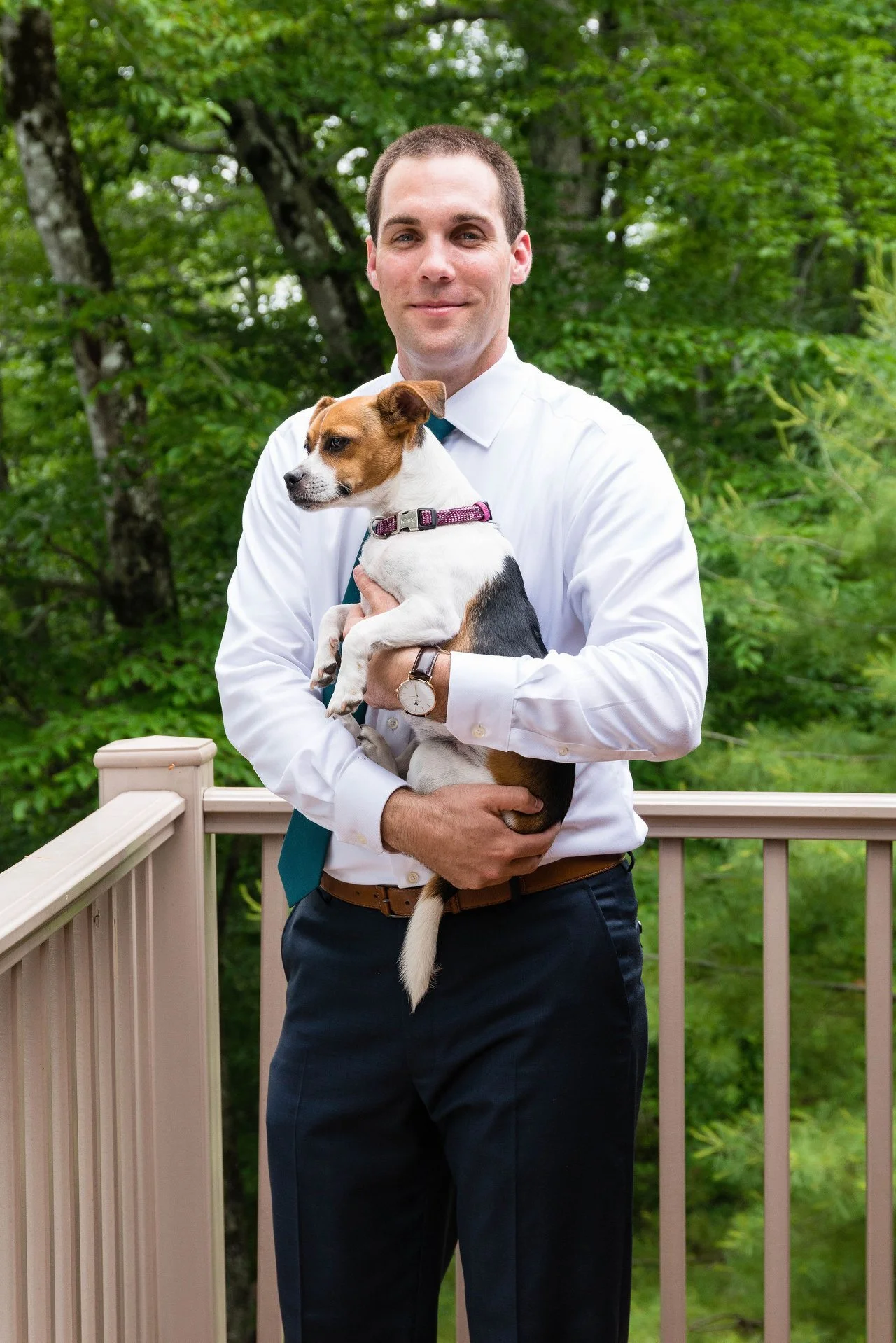
Jeffrey J. Kuchan
Year 5 in Andover Public Schools
Mr. Kuchan grew up in Fountain Hills, Arizona and was molded by a family of educators. His grandmother was a choral educator and piano teacher who inspired his love and passion for music. His grandfather was a history teacher and basketball coach (Celtics fans out there, he taught John Havlicek in high school!).
Mr. Kuchan attended the College of William & Mary where he studied History and Music for his bachelor’s degrees. After that, he attended the University of Colorado, Boulder for his Masters in Music Education with a cognate in conducting. While in college, he was a leader and performer in wind bands, symphony orchestras, jazz bands, trumpet studios, brass quintets, mariachi bands, and other community groups. He was also a member of Phi Beta Kappa and Phi Mu Alpha Sinfonia.
He has served as a teacher, clinician, drill writer, and arranger for bands of all sizes in Arizona, Colorado, Massachusetts, Utah, and Virginia.
Band has always been a home for him and Mr. K strives every day to create a classroom that prioritizes respect, responsibility, teamwork, growth, and creativity.
In the summer months he dedicates his time to friends and family in Arizona, Colorado, Virginia, and Massachusetts. He adores his 8 year old Beagle-Jack Russell mix, Penny, and he thrives on trying new hot sauces and salsas. Mr. K is also an avid hiker, mountain biker, and skier.
My Teaching Philosophy
I believe that every music classroom is a team working together to achieve shared goals. My music classroom is a community of constant and never ending improvement. Small daily improvements in music making rely on the development of the What, How, and Why. What is our goal? How can we achieve it? Why should we try? Trust and differentiation are two critical themes you would see in any class setting.
Our musical success relies on trusting one another. I actively empower students with opportunities in class to communicate with each other, analyze our goals, teach each other, and make mistakes. At the beginning of the year I spend considerable amounts of time investing in activities that break down barriers between students and developing the sense that band is a family. Icebreakers, name games, and other activities help develop a sense of communal pride, safety, and inclusion. Throughout the year I rely on partner, small group, and sectional activities to encourage ownership and engagement with the team’s musical goals. I also frequently hold “White Page” reflection activities where students reflect anonymously on paper ballots what they are hearing in rehearsal, what they think should change musically, how they are feeling about their individual progress. Highlighting these student observations and reflections in rehearsal inspires students to listen more intently on the group’s progress throughout a learning cycle. Finally, I utilize improvisation activities that help break down typical barriers of performance anxiety and fear of playing poorly in front of others. Students must feel comfortable taking risks, making mistakes, and learning from those mistakes!
Differentiation is critical to musical success for all members of our team. I actively engage all students in experiencing musical learning through different mediums. Not all students learn the same way, so all methods are on the table for exploring the musical What, How, and Why of our learning goals. In any class you would see students engaged in a variety of music making methods; clapping, tapping, stomping, singing, audiating, and playing instruments. Successful differentiation relies on my ability to connect with the students, know where they are, and utilize their previous skills and experiences to grow. Individual, partner, and group learning activities, as well as formal and informal assessments, are key to scaffolding instruction. In order to be leaders of their learning, students must be involved in developing evaluations, reciprocal learning, and reflective feedback. When developing differentiated strategies I often include student choice, student voice, and peer leadership to engage all students and keep learning fun.
While not every day may look the same, my students know that they will be encouraged and expected to work together, support each other, and always be challenged to grow.